As a multidisciplinary artist, I find that passing time has different effects on how I perceive the art I create. The same does not seem to be true for others’ art. If I like another artist’s piece, I will always like it. Occasionally, as I grow more in my understanding of art, my tastes broaden, and art I previously shunned will become palatable. I learn to like more and not less.
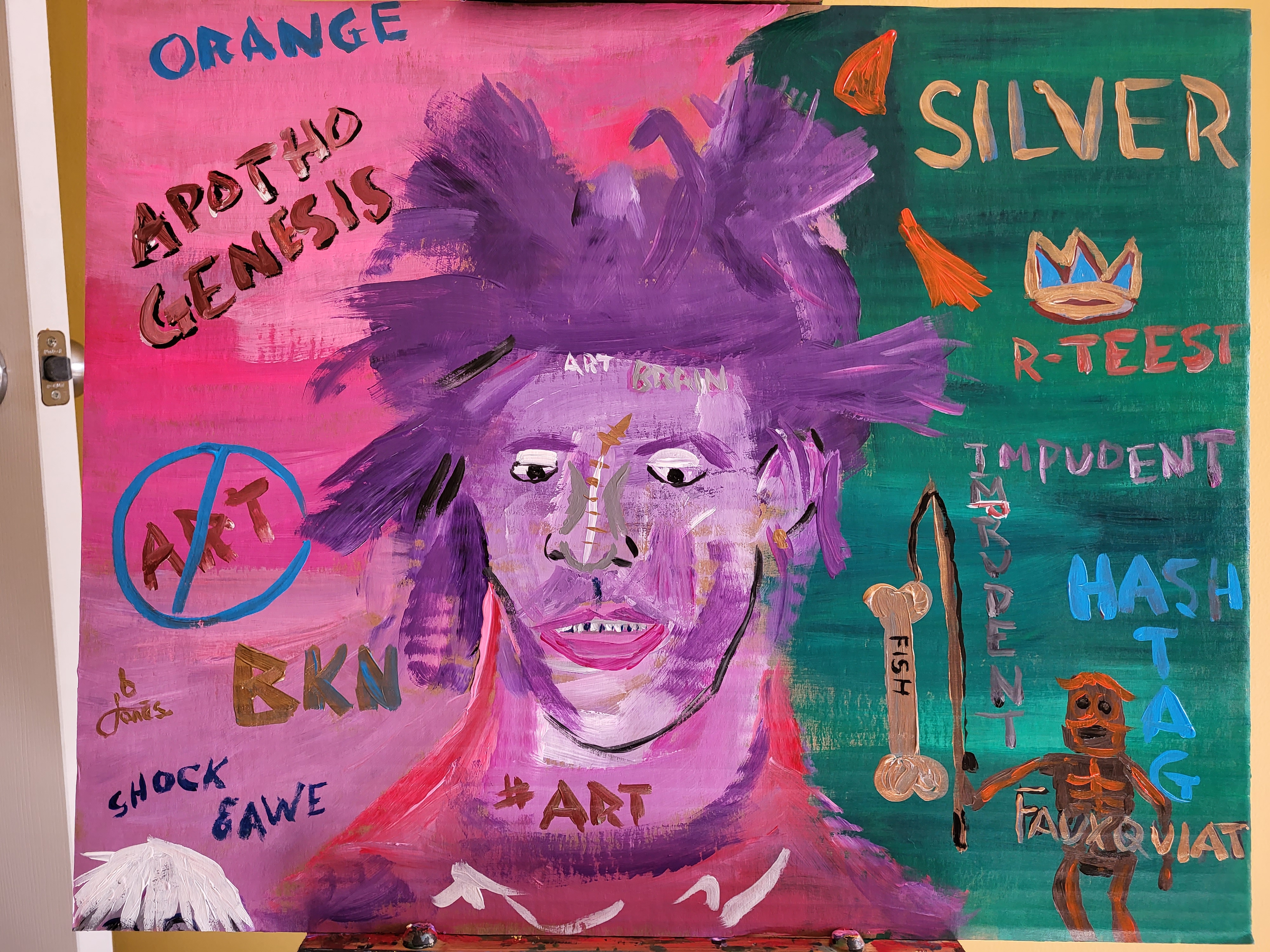
In 2023, my wife and I decided to see if we could produce something akin to a Jean-Michel Basquiat painting in an hour or less. In doing so, something magical happened. We searched for more of his work, read about it, and began to understand what he was doing and why. As a result, I am now a fan even though I originally was painting (sort of) like him to take the piss. My Fauxquiat is now one of my favorite pieces even though it looks nothing at all like his work. (Maria’s came closer.)
So, yes, it’s normal grow to appreciate another artist. The same is true with photography. I still love my favorites: Winogrand, Maier, Eggleston, Haas, etc., but others like Fred Herzog or Harry Gruyaert now reign in my head even though their being more abstract would not have appealed to the younger, concrete-minded version of me.
There are works, especially musical pieces, that I tire of, but that’s mostly wear and tear due to exposure. Normally, if I like a song, I always do. Similarly to visual arts, some genres I used to hate (like rock or rap) I now enjoy. I can’t think of any that I’ve grown to dislike.
With my work, however, it is completely different. My assessment of a piece changes dramatically over time. Interestingly, it works differently for visual and written works of art. Now, I understand that the prefrontal cortex changes how we perceive things. The brain’s purported logic center filters out what it considers to be non-pertinent information, allowing us to make snap judgments. In so doing, a piece that we enjoyed making, while in the throes of dopamine and endorphins, may not hold up to the mind’s imperious scrutiny when it’s finished. “What the hell is that?” it will ask.
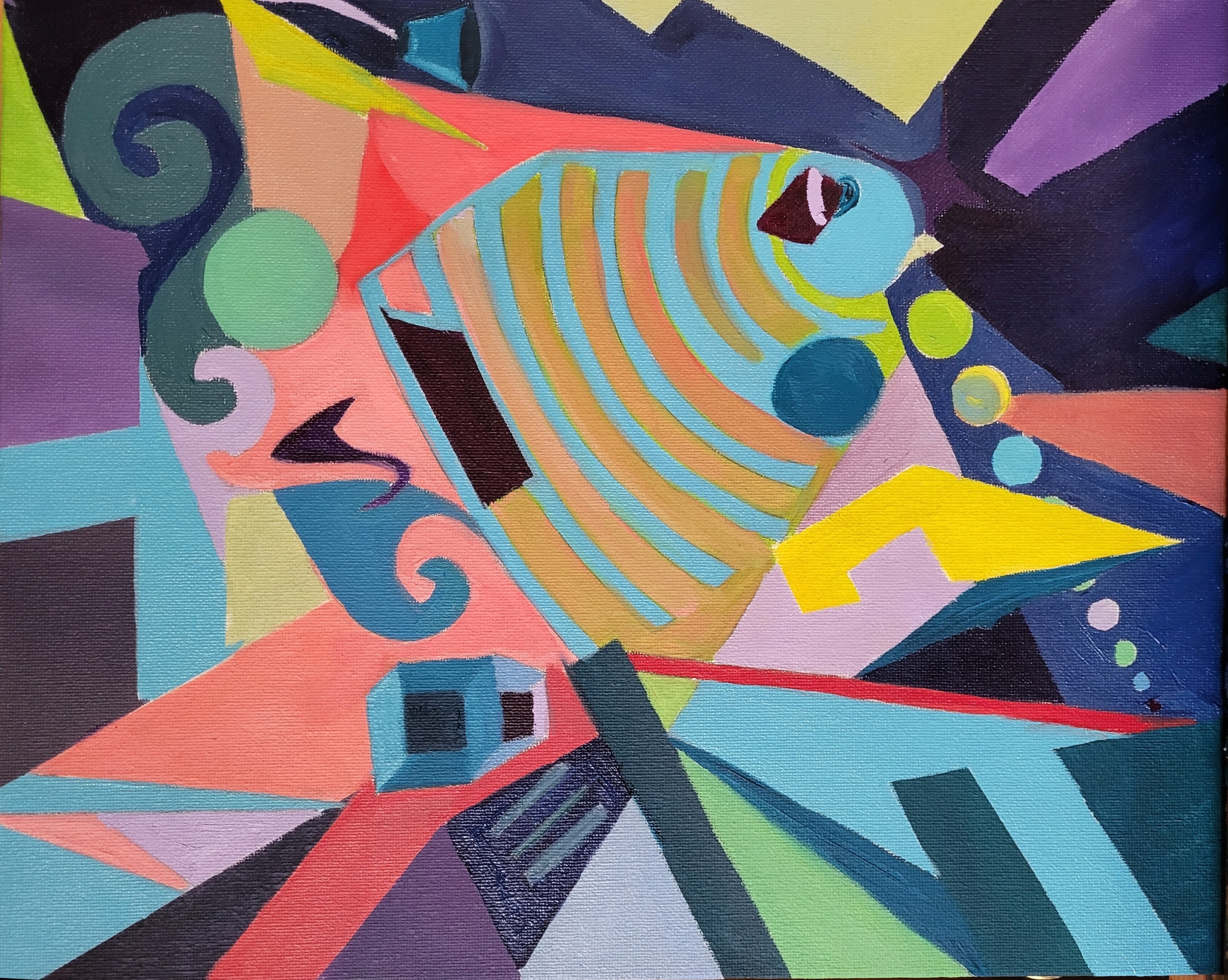
“It’s a fish,” I meekly answer. “Well, it’s a rubbish one. You should bin it.”
Fortunately, I live with an accomplished artist, so she prevents most of my work from reaching the rubbish heap. Still, over time, something remarkable happens. My brain forgets whatever the pook standard it was measuring the thing against, and begins assessing the work on its own merits–like any other person might do. The fish painting, for instance, was originally rotated 90 degrees to the right. But it’s abstract, and my brain (and my wife’s) liked it better this way. All of my paintings and drawings are like this. Some, I never like; most, if I’m honest. But over time, I began to hate them less. In time, I just become an art lover instead of an artist.
I learn to get off my own back.
My photography works similarly, except that I love the good ones right away. Others, especially the more artsy shots, I initially wonder what the pook I was thinking only to later see them as the best of the lot. Our brains are different on and off of dopamine. As artists, we must understand that the art-loving public will react more like we do under the influence of positive chemicals than when our frontal lobe is playing the critic.
Sure, there are people who are always in ‘critic mode’ themselves, but fuck them.
Writing, I have found, has a different arc. With poetry, I tend to completely forget a piece after it’s written. Once I discover it again, I will either love, like, or dislike it as though I’d never seen it before. Interestingly, my brain dissociates itself with my poetry. I didn’t write it, it thinks, and so it treats it the same as any other poetry it reads: most it won’t get, but some, a rare few, mean the world.
My prose follows almost the opposite arc as my visual art. I love the words (once they’ve been properly edited) and then I release them into the wild. Over time, I learn more, my abilities grow, and works I once loved now make me cringe. (“Why did you pick that word?”) Since writing is the best thing I do, next to analysis, I presume that is how mastery must work. As we improve, our understanding of greatness strengthens, and we begin, finally to assess works the way they should be judged.
Until we reach that mastery stage, however, (at least ten to twenty years into our creative journeys) we, as artists, seriously need to give ourselves a pooking break. It’s a gift; learn to love it.
Bill out.


 The Artists' Sanctum
The relation between a creator and their creation certainly can be complicated, Bill, and your post highlights that. It’s a bit of a curse, this compulsion to create, and then doubt sets in, sooner or later. And it may take decades to stop underselling oneself.
LikeLiked by 1 person